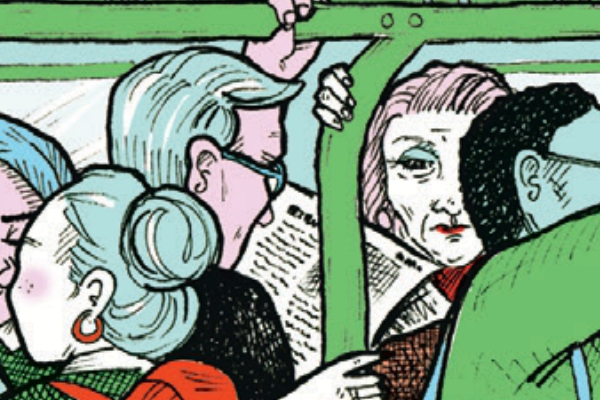
Economics Questions: Where is Britain’s economy headed?
In this opening session, we respond to the latest events in an attempt to better understand why economic uncertainty has defined 2026.
13-20 November 2026 | Bristol, UK
In this opening session, we respond to the latest events in an attempt to better understand why economic uncertainty has defined 2026.

Is Brexit a dividend, or a disaster? In this session, we reveal what economists have learned about trade, inflation, tariffs, and industrial strategy in the decade since the UK voted to leave the EU.

Countries like the UK are facing falling birth rates and rising life expectancy, while Africa and India continue to grow. What will it mean when many countries rapidly age, while others stay young?

This session examines the enduring role of energy security in geopolitics through recent events, and how energy supply chains, prices and sanctions affect international conflicts and the transition to net zero.
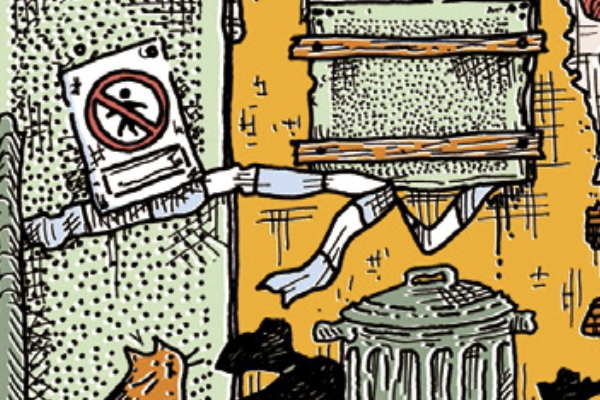
Delivering the 2026 Marshall Paley Lecture, Alan Manning examines why immigration policy is hard and why we make such a mess of it.
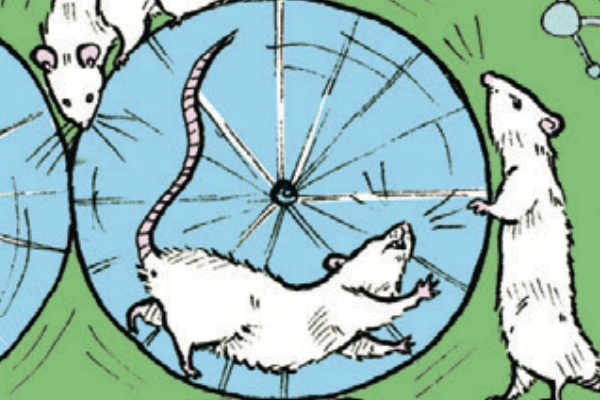
To inform how to seize the opportunities and address the challenges of today, we draw lessons from the policies from the past that have helped to advance or hold back the UK economy.
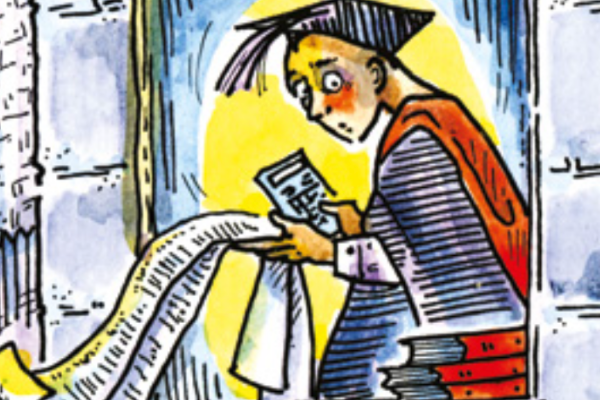
With AI-driven educational and labour market disruption and disquiet over mounting student debt, we assess the role and value of higher education degrees and ask: it is still worth getting a degree?
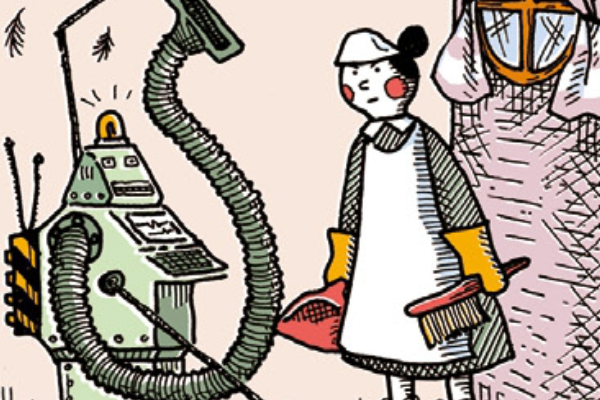
FT journalist Sarah O’Connor provides insights about how technological change and automation is impacting workers in this joint discussion with Heather Stewart (Guardian) and Sue Turner OBE.
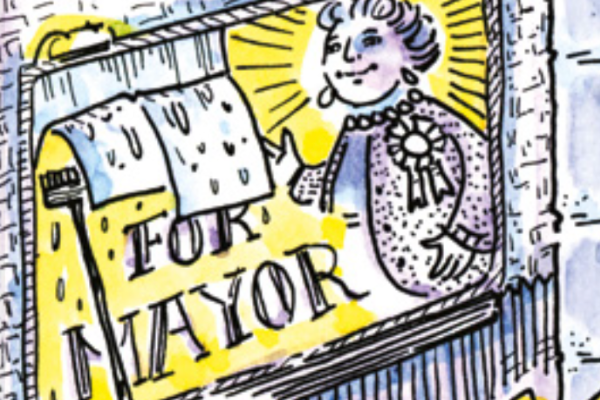
Is England really moving towards meaningful devolution, or just decentralised delivery of national policy? And what can Scottish and Welsh devolution tell us about England’s future prospects?

Is a coherent economic strategy of the left possible? Leading commentators discuss the barriers to implementing such a strategy, and the likely consequences of the government’s recent and future economic decision making.
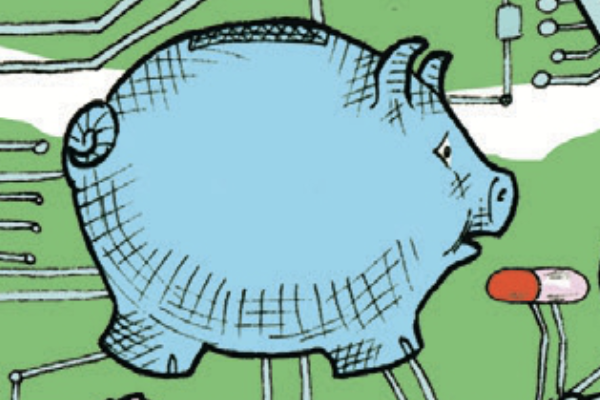
Opinion polls suggest considerable public support for higher taxes on the rich. But would a wealth tax really be an effective way to improve the UK’s public finances?